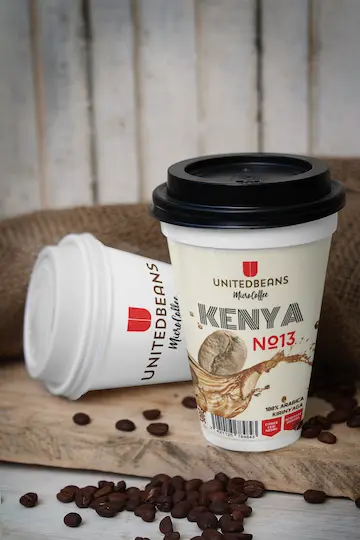
Single origin coffee has become the preferred choice of specialty coffee lovers in Romania. If you've ever wondered what makes this coffee so special and why it's worth trying, you've come to the right place. Single origin means more than just a fancy label on the coffee package. It's a complete experience that allows you to explore the authentic tastes of a single region, without blends or compromises. In this guide, you'll learn everything you need to know about single origin coffee and how to choose the perfect beans for your preferences.
What Does Single Origin Mean in the World of Specialty Coffee?
Single origin refers to coffee that comes from a single geographical region, namely a farm, a specific area, or even a single farm. Unlike blends that combine beans from multiple locations to achieve a consistent profile, single origin offers you the pure expression of a single place of origin. This approach allows you to feel exactly how the climate, soil, and altitude influence the taste of your coffee. Microlots represent an even more exclusive category, being very small quantities of coffee from a single farm or even from a single plot.
Geographical origin matters enormously in the coffee's aromatic profile. Each region has unique characteristics that are reflected in the cup. Ethiopia's volcanic soil produces coffees with floral and fruity notes, while Colombia's high altitude creates balanced acidity and chocolate flavors. Temperature, rainfall, and even local processing methods contribute to the personality of each single origin coffee. When choosing a coffee from Kenya, for example, you can expect vibrant acidity and blackcurrant flavors, characteristics impossible to replicate elsewhere in the world.
Why Is Single Origin Coffee Appreciated by Connoisseurs?
Traceability is the first major advantage of single origin coffee. You can track exactly where your coffee comes from, from the specific farm to your cup. This transparency guarantees that you know who grew the beans, under what conditions, and how they were processed. For many connoisseurs, this direct connection to the coffee's origin makes the experience much more valuable. UnitedBeans brings carefully selected single origin coffees to Romania, ensuring that each package has a clear and verifiable story.
The specific terroir of each region is expressed freely in single origin coffee. Just as wine reflects the characteristics of the soil and climate from which it originates, single origin coffee offers you the authentic taste of its place of origin. There are no other beans to dilute or modify this unique profile. The aromatic complexity is much more evident than in blends, with distinctive notes ranging from floral and citrus to chocolate and spices. Each cup becomes a sensory exploration of a specific region, offering you an experience you won't find in commercial coffees.
Main Single Origin Coffee Regions
Single Origin Coffee from Africa
Ethiopia is considered the cradle of coffee and offers some of the most complex aromatic profiles. Ethiopian coffees are famous for their floral notes of jasmine and bergamot, combined with tropical fruits like mango and papaya. Natural processing, traditional in many Ethiopian areas, intensifies these fruity characteristics. The Yirgacheffe and Sidamo regions produce coffees particularly appreciated by connoisseurs worldwide.
Kenya stands out for its vibrant acidity and intense aromas of black and red currants. The rich volcanic soil and high altitude create perfect conditions for the development of these distinctive characteristics. Kenyan coffee has a medium to full body and a balanced sweetness that perfectly complements its bright acidity. It is the ideal choice for those seeking an intense and memorable sensory experience.
Rwanda has rapidly become an important player in the specialty coffee market. Rwandan coffees offer balanced sweetness with notes of caramel and red fruits, having a pleasant medium body. Recent investments in infrastructure and processing have elevated the quality of Rwandan coffee to exceptional standards. Many microlots from Rwanda impress with their flavor clarity and balanced complexity.
Single Origin Coffee from South America
Colombia is renowned for its perfect coffee balance. The typical flavor profile includes chocolate, caramelized nuts, and a pleasant citrus acidity. The consistent climate and ideal altitude in Colombian coffee regions allow for two harvests per year, ensuring fresh coffee all year round. Colombian coffee is versatile and works excellently for both espresso and drip brewing methods.
Brazil produces full-bodied coffees with a pronounced sweetness of nuts and chocolate. Natural processing, predominant in Brazil, creates rounder, less acidic profiles than those from Colombia or Kenya. These characteristics make Brazilian coffee an excellent choice for those who prefer a smoother, creamier experience. Many single origin Brazilian coffees offer notes of cocoa, caramel, and hazelnut.
Peru offers coffees with delicate aromatic profiles and mild acidity. Typical notes include milk chocolate, honey, and sweet fruits like peach. Many Peruvian farms are certified organic and fair trade, offering sustainable options for conscious consumers. Medium body and pleasant balance make Peruvian coffee an excellent introduction to the world of single origin for beginners.
Single Origin Coffee from Asia
Indonesia produces full-bodied coffees with distinctive earthy notes. Sumatra, Java, and Sulawesi are famous for their low-acidity coffees with notes of mushroom, cedar, and herbs. Indonesia's unique wet-hulling process, known as giling basah, contributes to these unique characteristics. Indonesian coffee is perfect for those who prefer a bolder, less acidic experience.
Vietnam is the largest producer of Robusta coffee in the world, but it also offers interesting single origin Arabica coffees. Vietnamese coffee is characterized by its intensity and robust character, with notes of dark chocolate and roasted nuts. Although less refined than African or South American coffees, Vietnamese coffee has a dedicated following that appreciates its strength and intensity.
India produces coffees with complex and exotic aromatic profiles. Monsoon Malabar, a unique coffee exposed to monsoon winds, develops a heavy body and notes of spices, sandalwood, and cocoa. Coffees from the Karnataka region offer a pleasant balance with chocolate sweetness and moderate acidity. India combines traditional techniques with innovation, resulting in distinctive coffees worth exploring.
How Does Artisanal Roasting Affect Single Origin Coffee?
Fresh roasting in Romania makes a huge difference in the quality of your coffee. Single origin beans quickly lose their aromatic complexity after roasting, so freshness is essential. UnitedBeans roasts artisanally in small batches, ensuring that each package reaches you at its optimal point of aroma and taste. Locally roasted coffee eliminates long transport and storage times, guaranteeing that your beans are as fresh as possible.
Careful roasting highlights the unique notes of each origin. An experienced roaster adjusts the roast profile according to the specific characteristics of the beans. Ethiopian coffee with delicate floral notes requires a different approach than Indonesian coffee with a heavy body. Light roasting preserves more of the beans' acidity and floral notes, making it ideal for African coffees. Medium roasting balances acidity with sweetness and developed body, working excellently for most origins. Dark roasting reduces acidity and enhances caramelization notes, being preferred for coffees used for espresso.
Freshness is absolutely essential to truly experience the potential of single origin coffee. Beans reach their flavor peak 3-14 days after roasting, a period during which CO2 degassing allows for optimal extraction. After 4-6 weeks from roasting, the coffee begins to lose its aromatic complexity, becoming flatter and less interesting. By choosing locally roasted coffee, you ensure you're not drinking beans that are months old, but coffee at its peak quality.
Single Origin vs Blend: What's the Difference?
Single origin coffee offers you the pure and uncompromising expression of a single region. Each origin has distinctive characteristics that change from season to season, offering you a unique experience each time. This variability is appreciated by connoisseurs who wish to explore the diversity of the coffee world. Single origin allows you to understand how geography influences taste and to develop clear preferences for certain regions or farms.
Blends combine beans from multiple origins to create a consistent and balanced profile. Roasters use blends to compensate for the weaknesses of some origins with the strengths of others. For example, a blend might combine the full body of Brazilian coffee with the vibrant acidity of Kenyan coffee. Blends are excellent for espresso, where consistency is essential, and for those who prefer a familiar taste day after day.
The complexity of single origin comes from focusing on the unique characteristics of a single origin. You will discover notes and nuances that you would not taste in a blend, where flavors blend and mask each other. The consistency of blends offers predictability, which can be an advantage for espresso preparation or for those who want the same taste every morning. The choice between single origin and blend depends on what you are looking for: exploration and diversity or stability and balance.
How to Choose the Perfect Single Origin Coffee For You?
Identifying your taste preferences is the first step towards the perfect single origin coffee. Ask yourself if you prefer more acidic and vibrant coffees or sweeter and rounder ones. Do you like floral and fruity notes or do you prefer chocolate and nuts? Full and creamy body or lighter and more delicate? The answers to these questions will guide you to the right regions for you.
Before buying, ask a few essential questions. When was the coffee roasted? The beans should be roasted no more than 2-3 weeks prior. What is the altitude at which it was grown? Coffee from higher altitudes tends to be more complex and acidic. What processing method was used? Natural processing enhances sweetness and fruitiness, while washed processing highlights clarity and acidity. What are the tasting notes described? This information gives you a clear idea of what to expect.
Testing different origins is the only way to truly discover your favorite. Start with smaller packs from different regions to explore the available diversity. Try an Ethiopian coffee, a Colombian one, and an Indonesian one to experience the full spectrum of flavor profiles. Note what you like and dislike about each origin, then refine your future choices based on these observations. Many people find their preferences change depending on the season or mood.
Optimal Preparation Methods for Single Origin
V60 and Chemex are considered the ideal methods for appreciating the clarity of single origin coffee. Paper filters remove oils and sediments, resulting in a clean cup that highlights delicate notes and acidity. Drip brewing allows precise control over temperature and extraction time. These methods work excellently for African coffees with floral and fruity notes, where clarity is essential to appreciate the complexity of the aromas.
AeroPress offers incredible versatility for brewing single origin. You can adjust the brewing time, water temperature, and pressure to customize the extraction. The AeroPress inverted method produces a fuller body, while the standard method offers more clarity. It is perfect for experimentation and discovering different facets of the same coffee. Many connoisseurs use AeroPress to test new origins before deciding on the final brewing method.
Single origin espresso requires special consideration. Not all single origin coffees perform well as espresso, some being too acidic or too delicate for the high pressure. Medium to full-bodied coffees from Colombia, Brazil, or Indonesia tend to produce a balanced and pleasant espresso. Roasting for espresso is typically a little darker to develop sweetness and reduce excessive acidity. Experiment with the extraction ratio to find the sweet spot for each origin.
French Press extracts the natural oils from the coffee, resulting in a full body and creamy texture. This method works excellently for coffees with a heavier body, like those from Indonesia or Brazil. The absence of a paper filter allows complex aromas to express themselves fully, although clarity is reduced compared to V60. Cold brew and alternative preparations highlight natural sweetness and reduce acidity, making them perfect for coffees with chocolate and nutty notes.
How to Properly Store Single Origin Coffee?
Maintaining the freshness of single origin coffee begins with proper storage. Beans should be kept in an opaque, airtight container at room temperature, away from direct light, heat, and moisture. Oxygen, light, and heat are the main enemies of fresh coffee, accelerating the oxidation process. Never store coffee in the refrigerator or freezer, as condensation and foreign odors will affect the quality of the beans.
Optimal containers are ceramic or opaque glass with an airtight seal. Avoid transparent containers that allow light to penetrate. Containers with a one-way valve are ideal as they allow CO2 to escape without letting oxygen in. If you buy coffee in larger packages, transfer only the amount you will use in the next few days into a daily container, keeping the rest sealed.
The optimal consumption time is between 3-14 days after roasting for drip brewing methods and 7-21 days for espresso. During this period, the coffee is at its peak of aromatic complexity. After 4-6 weeks, the aromas begin to fade noticeably, even if the beans are stored correctly. Buy only the amount you can consume during this period to ensure you always drink coffee at its maximum potential.
Common mistakes include grinding the entire quantity of coffee at once, storing it in the original packaging after opening, and leaving the container open. Grinding dramatically accelerates oxidation, so measure only the amount needed for each brew. Never leave coffee near the stove or in sunlight. Avoid buying large quantities of coffee if you cannot consume it quickly, even if the price per kilogram seems more advantageous.
Why Choose Locally Roasted Single Origin Coffee in Romania?
The freshness guaranteed by local artisanal roasting is impossible to match with imported roasted coffee. UnitedBeans roasts in small batches, ensuring the beans reach you within days of roasting, not after months of transport and storage. This difference is immediately felt in the cup, where the aromas are more vibrant and complex. Locally roasted coffee means you can buy exactly the amount you need and come back for fresh coffee whenever you need it.
Supporting local specialty coffee producers contributes to community development and raises quality standards in Romania. Artisanal roasters invest in quality equipment, continuous training, and direct relationships with coffee farmers. Your money stays in the local economy and helps build a sustainable specialty coffee culture. By choosing locally roasted coffee, you vote for quality and transparency in the industry.
Rigorous quality control is possible when the roaster is nearby and accessible. You can ask questions, get personalized recommendations, and be sure that each batch is tested and approved before sale. Local roasters have their reputation on the line and are motivated to maintain high standards consistently. Quick feedback allows for continuous adjustments and improvements to the roasting process.
Quick access to freshly roasted beans completely changes your coffee experience. You no longer have to plan weeks in advance or order large quantities to justify shipping costs. You can experiment with different origins and roasting profiles without committing to large packages. This flexibility encourages you to explore and refine your tastes at your own pace.
Exploring Single Origin Microlots
Microlots represent very small quantities of exceptional coffee, usually under 100 bags, from a single farm or plot. They are special because they come from perfect growing conditions, meticulous processing, and individual attention at every stage. Farmers select only the best cherries, often at optimal altitudes and with rare coffee varieties. The result is a coffee with a unique character and extraordinary flavor profiles that exceed usual standards.
The rarity and exclusivity of microlots make each package a limited experience. Once the lot is sold, the same coffee will not be available until the next harvest, and even then the profile may be different. This uniqueness attracts connoisseurs seeking new and memorable experiences. Microlots often achieve high scores in international competitions, confirming their exceptional quality.
The unique and seasonal experiences offered by microlots allow you to discover coffees that most people will never taste. Each season brings different profiles, influenced by the specific conditions of that year. This variability makes every microlot package a sensory adventure. You can follow the evolution of a farm throughout the seasons and appreciate the dedicated work of the farmers.
The investment in superior quality is justified by the complexity and refinement offered by microlots. The higher price reflects the extra work, rigorous selection, and limited quantity. For specialty coffee enthusiasts, microlots represent the pinnacle of the single origin coffee experience. It is an opportunity to educate your palate and truly understand what exceptional quality coffee means.
Frequently Asked Questions about Single Origin Coffee
What exactly does the term single origin mean in coffee?
Single origin means that the coffee beans come from a single geographical region, be it a country, a specific area, or even a single farm. This coffee is not mixed with beans from other locations, allowing you to experience the pure aromatic profile of that region. The specific characteristics of the soil, climate, and altitude are directly reflected in the taste of your coffee, offering you an authentic and traceable experience.
What is the difference between single origin and blend coffee?
Single origin comes from a single geographical source and offers you the pure profile of that region, with all its unique characteristics and seasonal variability. Blends combine beans from multiple origins to create a consistent and balanced profile, compensating for the weaknesses of some origins with the strengths of others. Single origin is perfect for exploration and diversity, while blends offer consistency and predictable balance.
From which regions do the most appreciated single origin coffees come?
The most appreciated regions include Ethiopia and Kenya from Africa, known for floral notes and vibrant acidity, Colombia and Brazil from South America, appreciated for balance and chocolate notes, and Indonesia from Asia, renowned for heavy body and earthy notes. Each region offers distinctive characteristics that appeal to different taste preferences. Exceptional microlots can also come from lesser-known regions such as Rwanda, Peru, or India.
How does the geographical origin influence the taste of coffee?
Geographic origin influences taste through factors like altitude, soil type, climate, rainfall, and local processing methods. Ethiopia's volcanic soil contributes to floral notes, high altitude in Colombia creates balanced acidity, and Indonesia's wet-hulling process produces earthy characteristics. Each region has a unique terroir that expresses itself in the coffee's flavor profile, much like terroir influences wine.
Is single origin coffee better than blends?
There is no universal answer, it depends on your preferences and how you use coffee. Single origin offers complexity, uniqueness, and the opportunity to explore coffee diversity, being ideal for pour-over brewing methods. Blends offer consistency, balance, and often work better for espresso. Connoisseurs appreciate both categories for different purposes, choosing single origin for exploration and blends for daily consistency.
What brewing method is ideal for single origin?
V60 and Chemex are considered ideal for highlighting the clarity and complexity of single origin coffee, working excellently for African coffees with floral notes. AeroPress offers versatility and control, allowing you to experiment with different techniques. French Press works well for heavier-bodied coffees from Indonesia or Brazil. Single origin espresso requires medium to full-bodied beans and appropriately adjusted roasting.
How long does single origin coffee stay fresh after roasting?
Single origin coffee reaches its flavor peak between 3-14 days after roasting for drip brewing methods and 7-21 days for espresso. After 4-6 weeks, the flavors begin to fade noticeably, even with proper storage. For the optimal experience, consume the coffee within this period and buy only the amount you can use. Proper storage in an opaque, airtight container prolongs freshness as much as possible.
Why is it important for single origin coffee to be locally roasted?
Local roasting guarantees maximum freshness, eliminating the months of transport and storage typical of imported roasted coffee. Beans reach you within days of roasting, when they are at their flavor peak. Local roasters like UnitedBeans offer rigorous quality control, complete transparency, and quick access to new batches. Support the local economy and the specialty coffee community in Romania, helping to raise quality standards.
Can I make espresso from single origin coffee?
Yes, you can prepare espresso from single origin coffee, but not all origins work equally well. Medium to full-bodied coffees from Colombia, Brazil, or Indonesia typically produce a balanced and pleasant espresso. Very acidic or very delicate coffees can be too intense or too subtle for the high pressure of espresso. Roasting for single origin espresso is often a bit darker to develop sweetness and balance acidity.
How do I identify the aromatic profile of a single origin coffee?
Read the descriptions on the packaging that mention dominant notes like floral, fruity, chocolate, or nutty. Information about origin, altitude, and processing gives you clues about what to expect. Prepare the coffee using a clean method like V60 to highlight the clarity of the aromas. Let the coffee cool a bit and smell it before tasting, then identify the notes in several sips. With practice, you will become more skilled at recognizing the specific characteristics of each region.