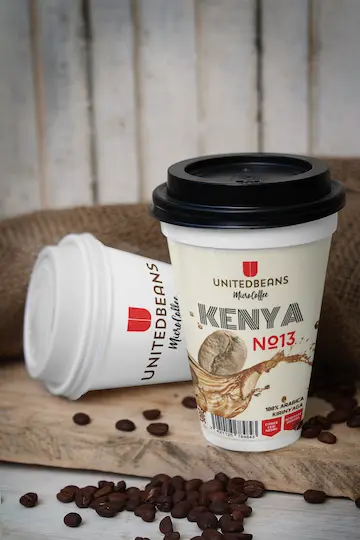
Do you choose your morning coffee at random or are you guided by the packaging? When it comes to specialty coffee, your decision matters enormously for the experience in the cup. Whether you like the vibrant acidity of an Ethiopian coffee or the deep chocolate notes of a South American blend, each bean can transform your daily ritual into a memorable experience. Let's explore together how to find the coffee that perfectly suits your preferences.
Why is the correct choice of specialty coffee important?
Specialty coffee is completely different from commercial supermarket coffee. When you choose beans from UnitedBeans or another artisanal producer, you are investing in verified quality, traceable origin, and controlled roasting methods that respect the natural profile of the beans. The difference is felt from the first sip.
Your daily coffee experience doesn't have to be monotonous. A superior quality coffee offers you complexity, surprising nuances, and real satisfaction. Instead of drinking coffee just for caffeine, you will savor each cup as a complete sensory experience.
Investing in premium beans is justified by consistency and freshness. When you buy freshly roasted coffee in Romania, from local roasters dedicated to quality, you pay for artisanal expertise, careful bean selection, and integral flavors that have not degraded during prolonged storage. Quality translates directly into value for your money.
Understand the taste profiles of specialty coffee
Each geographical origin brings distinct characteristics to the cup. Let's explore the three major profiles that will help you identify your preferences.
Floral and fruity notes
Beans from Africa, especially from Ethiopia and Kenya, are celebrated for their vibrant and complex aromas. You will discover notes of jasmine flowers, berries, or even fresh citrus. These coffees offer a balanced acidity that makes them extraordinarily refined and unforgettable.
If you appreciate delicate aromas and layered complexity, African coffee is your ideal choice. Their profile works perfectly for brewing methods that highlight flavor clarity, such as V60, Chemex, or AeroPress. The vibrant acidity and medium body create an elegant cup experience.
Brewing with filter methods brings out the full beauty of these beans. Water temperature between 92-96°C and careful extraction allow floral notes to express themselves fully without being masked by bitterness.
Chocolate and nutty notes
South America, with Brazil and Colombia at the forefront, offers rounder and more accessible profiles. You'll find notes of milk chocolate, caramelized nuts, caramel, and natural sweetness. These coffees have a full body that makes them perfect for milk-based preparations.
If you like espresso or cappuccino, South American beans are the ideal base. Their natural balance between sweetness, moderate acidity, and consistent body creates rich extractions that blend harmoniously with milk. Espresso blends frequently include South American origins for stability and perfect crema.
UnitedBeans select beans from these regions precisely for their versatility. Whether you're making espresso at home or filter coffee, their balanced profile guarantees excellent results regardless of the chosen method.
Spicy and earthy notes
Asia, including Indonesia and India, brings coffees with a strong personality. You will experience notes of raw cocoa, cedar wood, exotic spices, and sometimes earthy nuances that create an intense and memorable experience. Consistent body and long aftertaste define these origins.
Preparations using French Press or slow infusion methods bring out the complexity of these coffees. Extended extraction allows the rich notes to develop fully, creating a full and satisfying cup that lingers long after the last sip.
If you prefer strong coffees with a pronounced character, explore micro-lots from Sumatra or India. These beans transform the morning ritual into a robust experience that energizes and captivates you with the intensity of its aromas.
How does roast level influence coffee flavor?
Roasting is the magical moment when green beans transform into aromatic coffee. The roast level completely modifies the final profile, even if you start with the same beans.
Light roast
Light roast preserves the original aromas of the origin intact. You will taste exactly what the soil, climate, and altitude of the growing region offer. The acidity is pronounced, the notes are complex and layered, and each origin expresses its unique personality.
This roast is favored by connoisseurs looking to explore coffee's geographical diversity. Light roast beans perform exceptionally for filter methods like pour-over or siphon, where flavor clarity is paramount. The body is lighter, but the complexity more than compensates.
If you're just starting out, be patient with light roasts. Your palate will gradually adjust to the bright acidity, but once you adapt, you'll appreciate the subtle nuances that darker roasts completely mask.
Medium roast
Medium roast offers the perfect balance between origin characteristics and the development of flavors from the roasting process. You will find both the natural notes of the beans and the caramelized sweetness that appears during roasting. The acidity is balanced, the body becomes fuller, and the versatility increases dramatically.
This is the most accessible and consumer-appreciated roast. It works for all brewing methods, from espresso to filter coffee, delivering consistent and pleasant results. UnitedBeans roasts many of its selections to a medium level to maximize accessibility and satisfaction.
If you're not sure which roast to choose for your first order, medium roast is a winning bet. You'll be able to appreciate the origin's profile without the extremes of intense acidity or pronounced bitterness.
Dark roast
Dark roast develops intense notes of dark chocolate, burnt caramel, and sometimes smoky nuances. Acidity is dramatically reduced, the body becomes very full and lingering, and roast flavors dominate the origin characteristics. The beans are almost black and shiny from the oils migrating to the surface.
This roast is ideal for traditional Italian espresso and for those who prefer strong coffees without acidity. Dark roast blends create rich crema and intense flavor that holds up even in preparations with generous amounts of milk.
Be careful not to confuse dark roasting with burnt beans. A craft roaster like UnitedBeans precisely controls the process to develop desired flavors without charring. The quality of the initial beans matters enormously, even in dark roasts.
Microlots versus blends: what to choose?
Here we arrive at an important decision that influences your experience. Microlots allow you to explore each origin in its purity. You will taste exactly what a coffee from Ethiopia Yirgacheffe or Colombia Huila tastes like without interference. Each lot has a distinct personality, sometimes with seasonal variations that make the experience unique.
Blends strategically combine different origins for consistency and balance. An experienced roaster like UnitedBeans creates blends that balance the acidity of an African coffee with the body of a South American origin and the complexity of an Asian selection. The result is a balanced coffee that works perfectly for daily brewing.
For espresso, blends offer clear advantages. The combination of origins creates stable extractions, consistent crema, and a taste profile that behaves predictably with your machine. Microlots can be capricious with espresso, requiring fine adjustments to grind and temperature.
If you want to develop your palate and understand coffee's diversity, start with microlots from different origins. Note what you like about each, and gradually you'll identify clear patterns in your preferences. Then you can explore blends that incorporate those favorite characteristics.
The importance of bean origin and processing
The processing method transforms coffee cherries into green beans ready for roasting. Washed processing completely removes the fruit's pulp before drying, resulting in clean coffees with bright acidity and a transparent profile. You'll taste the origin without interference, making washed methods popular for premium origins from Africa and Central America.
Natural processing lets the beans dry completely in the fruit. Natural fermentation adds intense sweetness, fuller body, and often complex fruity notes reminiscent of wine or compote. Natural Ethiopians are famous for their explosive and sensory profiles.
The honey method combines the advantages of both approaches. The pulp is partially removed, leaving a mucilage layer that ferments controllably during drying. The result is natural sweetness, medium to full body, and attractive complexity. Costa Rica and other Central American origins excel at this method.
The altitude at which the beans grow influences their density and complexity. Coffee grown above 1400-1800 meters develops more slowly, accumulating complex sugars and refined acids that create superior profiles. When reading the label, look for information about altitude, processor, and farm for complete transparency.
Certifications like Organic, Rainforest Alliance, or Direct Trade indicate verified cultivation and purchasing practices. UnitedBeans prioritizes traceability and direct relationships with producers to guarantee consistent quality and ethical practices.
Practical guide: steps to choosing your ideal coffee
Let's turn all this information into concrete action. Follow these steps to find your perfect coffee.
Step 1 Start with your favorite brewing methods. Do you have an espresso machine at home? Do you use a French Press every morning? Or maybe a V60 for a relaxed weekend? Each method works optimally with certain profiles. Espresso loves balanced blends with a full body, while pour-over highlights delicate micro-lots with vibrant acidity.
Step 2 invites you to evaluate your taste preferences. Do you like acidity or do you prefer round coffees without sharp notes? Do you want a full body that fills the mouth or lighter, more delicate profiles? Do you appreciate natural sweetness or controlled bitter complexity? The answers directly guide you to the right origins.
Step 3 means methodical experimentation. Order a small bag each from Africa, South America, and Asia. Brew each under identical conditions and note your immediate impressions. You will quickly identify which continent resonates with you. Then explore more origins from your preferred region to further refine your choices.
Step 4 involves keeping a simple journal of your experiences. You don't need to be a connoisseur to write 'too acidic for me' or 'perfect for the morning.' These simple notes become extremely valuable when you reorder and want to repeat positive experiences or avoid disappointments.
Step 5 Consider subscriptions for continuous discovery. UnitedBeans and other artisanal roasters offer flexible subscriptions that bring you fresh coffee regularly. You will constantly explore new origins without the effort of repeat orders, and the roaster can adjust selections based on your feedback.
How to order and store specialty coffee?
The optimal amount for maximum freshness is roughly your consumption for 2-3 weeks. If you drink a cup daily, 250-500g is perfect. You'll finish the coffee at its aromatic peak without it degrading. Buying in bulk might seem economical, but you lose exactly what makes specialty coffee special: freshness.
The roasting date on the packaging is the crucial indicator of quality. Coffee reaches its aromatic peak between 11-30 days after roasting, depending on the roast and origin. UnitedBeans roasts to order or very close to shipping to deliver beans in their optimal window. Never buy coffee without a visible roast date.
Subscriptions offer flexibility for a constant supply. You can adjust frequency, quantity, and even pause deliveries when you go on vacation. You'll always have fresh coffee without monitoring stock or manually repeating orders. Artisanal roasters often customize selections for subscribers, offering access to exclusive microlots.
The relationship between freshness and quality in the cup is direct and undeniable. Fresh beans release CO2 during brewing, creating that beautiful foam in a V60 bloom or rich crema in an espresso. Volatile aromas are intact, intensity is at its peak, and the experience is incomparably superior to coffee that is months old.
Common mistakes when choosing specialty coffee
Many consumers choose coffee based exclusively on price, believing all specialty coffee is similar. The reality is that quality differences translate directly into experience. Cheap beans can come from inferior lots, inconsistent roasts, or prolonged storage. Quality costs, but the difference in the cup justifies the investment.
Ignoring the roast date is the mistake that sabotages the best intentions. You can buy the most expensive single-origin beans, but if they were roasted three months ago, you'll be disappointed. Always look for the clear date on the packaging and prioritize roasters who frequently roast in small batches.
Buying too much for 'economy' destroys freshness. Even when stored correctly in an airtight container, beans gradually lose their volatile aromas after 4-6 weeks. It is wiser to order small quantities frequently than to save today and drink mediocre coffee in the following weeks.
Neglecting the compatibility between beans and method leads to disappointing results. A magnificent Ethiopian light roast in a V60 can be acidic and underextracted in espresso. A dark roast blend perfect for espresso can be flat and one-dimensional in a Chemex. Match the beans to the brew for optimal results.
Lack of experimentation with diverse origins keeps you trapped in a narrow bubble of experiences. Maybe you discovered a great Colombian coffee and you constantly reorder it. But what if a Kenyan coffee would have been your revelation? Dedicate at least 20% of your orders to exploration and you will be rewarded with surprising discoveries.
Frequently asked questions about choosing specialty coffee
What is the difference between specialty coffee and commercial coffee?
Specialty coffee is evaluated by certified tasters and receives scores over 80 points out of one hundred in the SCA system. Beans come from traceable origins, are sorted for defects, and artisanally roasted to highlight unique characteristics. Commercial coffee mixes lower grades, unknown provenance, and prioritizes volume and price over quality. The difference in the cup is dramatic.
How do I find out which taste profile suits me?
Start by assessing what you like in other beverages. Do you prefer red or white wine? Do you like sour or sweet fruits? Do you appreciate dark or milk chocolate? The answers indicate preferences that translate directly into coffee profiles. Then, methodically experiment with one package from each major continent and let your taste decide.
Why does the roast date on the coffee packaging matter?
Coffee beans are a fresh product, not a shelf ingredient. Volatile aromas degrade continuously after roasting, especially after the first month and a half. The roasting date allows you to choose beans within their optimal consumption window and avoid old coffee that has lost its complexity. Artisan roasters like UnitedBeans clearly display the date precisely for transparency and trust.
Can I use any beans for espresso?
Technically yes, but the results vary enormously. Espresso concentrates all the characteristics of the beans, including defects. Very light roasts can produce sour and underdeveloped extractions. Delicate origins can be overwhelmed by high pressure. Blends specifically formulated for espresso or medium to dark roasts from full-bodied origins offer the most consistent and pleasant results.
How long do coffee beans stay fresh after roasting?
Beans reach their aromatic peak between 11-20 days after roasting and remain excellent for up to 4-5 weeks if stored correctly in an airtight container, away from light and heat. After 6 weeks, degradation becomes evident even to untrained palates. Darker roasts last slightly better than lighter ones, but all benefit from quick consumption.
Is it worth investing in a specialty coffee subscription?
How does the origin of the beans influence the final taste of the coffee?
Origin determines the basic characteristics of the beans through soil, altitude, climate, and cultivated variety. Africa offers vibrant acidity and floral notes. South America brings balance and sweetness. Asia contributes body and earthy notes. Processing, roasting, and brewing can modify these characteristics, but the foundation remains strongly influenced by geography. That is why exploring diverse origins is essential for educating the palate.
Discover your perfect coffee with UnitedBeans
Choosing specialty coffee doesn't have to be complicated. Once you understand the fundamentals of origins, roasting, and taste profiles, every decision becomes clearer and more satisfying. Experimentation is the key to discovering your authentic preferences, not guesswork or generic advice.
UnitedBeans simplifies exploration with curated selections from Africa, South America, and Asia, all artisanally roasted in Romania for maximum freshness. Whether you want micro-lots for exploration or consistent blends for your daily ritual, you'll find options that uphold zero compromise on quality.
Start today with a small package from an origin that sparks your curiosity. Note the experience, adjust the variables, and repeat. In a few weeks, you'll have complete clarity about what you're looking for in the perfect cup. Specialty coffee then becomes not just a drink, but a daily experience you truly anticipate and savor.